
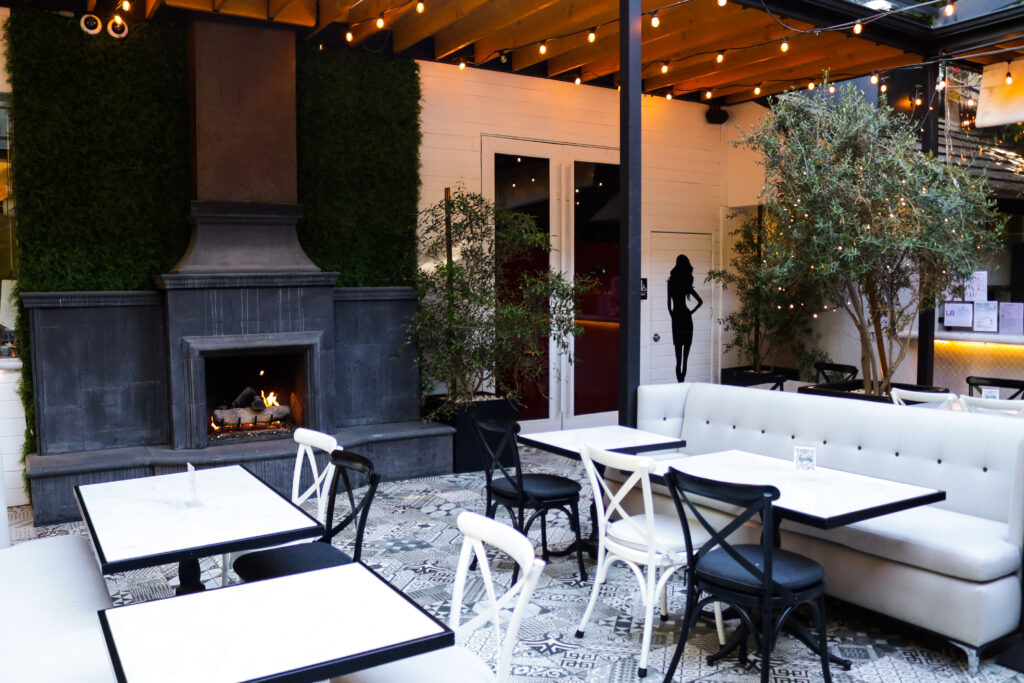
Planning the food for a wedding involves more than choosing a few dishes everyone will enjoy. The menu needs to complement the celebration, suit the guest list, fit the budget, and work smoothly with the reception schedule. A thoughtful wedding catering strategy helps bring all of these elements together while creating a meal your guests will remember.
From selecting the right serving style to accommodating dietary preferences, couples have several decisions to make before finalizing their wedding food. Starting with the fundamentals can make the process easier and help ensure the menu feels like a natural part of the celebration.
1. Start With Your Wedding Style
Your wedding menu should reflect the overall style and atmosphere you’re creating. Food that works beautifully for an elegant evening reception may not be the best fit for a relaxed daytime celebration or an intimate gathering.
Start by thinking about the type of experience you want your guests to have. A formal wedding may call for a structured multi-course meal, while a casual celebration could be better suited to family-style dining or a selection of shareable dishes.
Consider these factors when building your menu:
- Formality: Decide whether the food should feel elegant and sophisticated or relaxed and casual.
- Reception format: A seated dinner requires different planning than a cocktail-style reception.
- Time of day: Breakfast, brunch, lunch, and evening weddings can call for very different food selections.
- Venue: Consider the available kitchen, serving, and dining space.
- Celebration size: A menu for an intimate gathering may look very different from one designed for a large reception.
- Overall theme: Your food can complement the décor, entertainment, cultural traditions, or other elements of the wedding.
For example, a formal evening reception might work well with plated courses and carefully selected appetizers, while a more relaxed celebration could benefit from family-style dishes that encourage guests to share and interact.
The goal isn’t to follow a particular wedding food trend. It’s to create a menu that feels consistent with the celebration you’re planning.
2. Build Your Menu Around Your Guest List
Once you’ve established the style of your wedding, consider who you’ll be serving. Your guest list can have a major influence on the food you select and how you serve it.
Start with your estimated headcount and then identify any dietary preferences or restrictions that need to be accommodated. You don’t necessarily need to create a completely separate meal for every guest, but your menu should provide meaningful options for people with different needs.
Pay attention to:
- Vegetarian guests
- Vegan guests
- Gluten-free requirements
- Food allergies
- Dairy-free preferences
- Religious dietary requirements
- Children’s meals, if applicable
- Cultural food preferences
It’s helpful to collect this information through your RSVP process, so you have a clear understanding of your guests’ needs before finalizing the catering company in Los Angeles.
You should also consider variety. A well-rounded selection might include meat, seafood, vegetables, grains, salads, and other complementary dishes. This gives guests the opportunity to build a meal that suits their preferences without making the menu unnecessarily complicated.
If you’re working with a professional caterer, discuss dietary requirements early in the planning process. Ask how special meals are prepared, whether allergen information is available, and how the catering team prevents cross-contact when necessary.
Thoughtful planning can help ensure that every guest feels considered when they sit down to eat.
3. Choose a Serving Style That Fits the Celebration
The way food is served can influence the pace, atmosphere, and overall experience of your wedding reception. There isn’t one universally perfect option, so consider which format best fits your event venue, guest list, budget, and desired atmosphere.
Plated Dinner
A plated dinner provides a more formal and structured experience. Guests remain seated while courses are served directly to their tables.
This format can work particularly well for elegant evening weddings where you want the meal to feel like an integral part of the reception program.
Advantages include:
- Formal presentation
- Predictable meal timing
- Guests remain comfortably seated
- Consistent portions
However, plated service typically requires more coordination and serving staff, particularly for larger guest counts.
Buffet Service
A buffet allows guests to select the dishes and portions they prefer. It can provide greater variety while giving attendees more control over their meals.
Buffets can be especially useful when you’re accommodating different dietary preferences because guests can often choose from multiple options.
You’ll need to consider the size and placement of the buffet, guest flow, serving equipment, and how long it will take everyone to receive their food.
Family-Style Dining
Family-style service places larger dishes of food on each table for guests to share. This approach creates a relaxed, communal atmosphere and can encourage conversation between guests.
It can be particularly appropriate for couples who want their wedding reception to feel warm, social, and connected rather than highly formal.
Passed Appetizers and Small Bites
Passed appetizers can be served during cocktail hour while guests mingle before dinner. They can also be incorporated into receptions where a full seated meal isn’t the primary focus.
Small bites give couples an opportunity to introduce several flavors without committing to a large number of full-size dishes.
When selecting a serving style, think about the experience you want to create. Your wedding reception dining options should make the meal enjoyable for guests while also fitting naturally into the flow of the celebration.
4. Select a Balanced Mix of Flavors
A memorable wedding menu should offer enough variety to satisfy different tastes without becoming overwhelming. Instead of choosing several dishes that have similar flavors or ingredients, look for a balance between rich, savory, fresh, light, and comforting options.
Start by considering how the different components of the meal will work together. If your main course is rich or heavily seasoned, lighter vegetables or a fresh salad can provide contrast. Likewise, a selection of flavorful appetizers can prepare guests for the main meal without making the overall menu feel too heavy.
A balanced wedding menu may include:
- A selection of appetizers or small bites
- One or more protein options
- Fresh vegetables or salads
- Grains, rice, or other complementary sides
- Vegetarian dishes
- Sauces or accompaniments
- A dessert or sweet course
Variety doesn’t mean offering an enormous number of choices. Too many dishes can make planning more complicated, increase costs, and make it harder to create a cohesive meal. Instead, choose complementary foods that give guests enough variety while maintaining a clear culinary theme.
You should also think about how the menu progresses throughout the reception. Appetizers should complement the main courses, while desserts should provide a satisfying conclusion without feeling disconnected from the rest of the meal.
5. Consider a Mediterranean-Inspired Wedding Menu
Mediterranean cuisine can be a natural fit for wedding celebrations because it offers a broad range of flavors, ingredients, and serving styles. Its emphasis on fresh produce, herbs, grilled foods, seafood, grains, and shareable dishes gives couples plenty of flexibility when developing a reception menu.
A Mediterranean-inspired wedding menu can include a combination of colorful appetizers, fresh salads, grilled proteins, vegetables, grains, and other dishes designed to be enjoyed together.
Some of the characteristics that make Mediterranean food particularly adaptable for weddings include:
- Fresh vegetables: Tomatoes, cucumbers, peppers, eggplant, greens, and other vegetables can add color and freshness.
- Herbs and spices: Ingredients such as parsley, oregano, mint, garlic, cumin, and paprika can add layers of flavor.
- Grilled proteins: Chicken, beef, lamb, and seafood can provide satisfying main-course options.
- Shareable dishes: Mezze and family-style preparations encourage guests to interact over food.
- Vegetarian-friendly choices: Legumes, vegetables, grains, dips, and other plant-based foods make it easier to accommodate different preferences.
- Colorful presentation: Fresh ingredients can create an appealing presentation that complements the visual atmosphere of a wedding.
Mediterranean cuisine also offers regional diversity. Couples can draw inspiration from Greek, Lebanese, Turkish, Italian, Spanish, and other Mediterranean culinary traditions while developing a menu that suits their celebration.
If you’re considering Mediterranean wedding catering in Los Angeles, discuss your preferences with the catering team early. They can help determine which dishes work well together, how much variety is appropriate, and which options are best suited to the number of guests and serving format.
6. Don’t Forget the Appetizers
Guests often arrive at a wedding reception ready to celebrate, socialize, and enjoy something to eat. Appetizers bridge the gap between guest arrival and the main meal, making them an important part of your overall catering strategy.
The right appetizers should be easy to enjoy while standing or mingling, particularly during cocktail hour. Small portions allow guests to sample different flavors without filling up before dinner.
Depending on your reception format, you might consider:
- Passed appetizers
- Small bites
- Mezze-style selections
- Vegetable-based appetizers
- Grilled or skewered items
- Dips with bread or fresh vegetables
- Bite-sized seafood or meat options
Think about variety when selecting appetizers, just as you would with the main meal. Offering a combination of vegetarian and meat-based options ensures guests have choices, while contrasting textures and flavors can make the cocktail-hour experience more interesting.
Timing also matters. If there’s a significant gap between the ceremony and dinner, you may need more substantial appetizers. If dinner follows shortly after the reception begins, lighter options may be sufficient.
The venue and catering team should also coordinate how appetizers will be served. Passed selections can encourage guests to continue mingling, while a stationary display or grazing-style arrangement can give them greater flexibility to serve themselves.
Ultimately, appetizers should complement the main meal rather than compete with it. Think of them as the opening course to the overall wedding dining experience.
7. Plan for Dietary Restrictions and Special Requests
A wedding brings together guests with different tastes, dietary preferences, allergies, and cultural requirements. Addressing these needs early can make your catering plan more inclusive and prevent unnecessary complications on the wedding day.
Start by collecting dietary information through your invitations or RSVP process. Once you know what your guests require, share the information with your catering team well before the event.
Common considerations may include:
- Vegetarian meals
- Vegan meals
- Gluten-free options
- Dairy-free selections
- Nut allergies
- Food sensitivities
- Religious dietary requirements
- Cultural preferences
You don’t necessarily need to create a completely separate menu for every dietary requirement. Instead, work with your caterer to determine whether some dishes can naturally accommodate multiple guests.
For example, vegetable-based dishes, salads, legumes, grains, and certain appetizers can often provide naturally suitable options for vegetarian or vegan guests. Clearly identifying these choices can also make it easier for guests to select what works for them.
Allergies require additional attention. If a guest has a serious food allergy, communicate the requirement directly to the catering team and ask how ingredients are handled during preparation and service. Understanding the caterer’s procedures can help you make informed decisions about the menu.
Being proactive about dietary requirements is ultimately part of good hospitality. Your wedding meal should allow guests to feel included in the celebration rather than having to worry about whether they’ll find something suitable to eat.
8. Set Your Food Budget Before Finalizing the Menu
Your wedding catering budget should be established early in the planning process. Knowing how much you can comfortably spend on food and beverages makes it easier to compare options and prevents you from building a menu that doesn’t fit your overall wedding budget.
Start by determining whether your catering cost will be calculated per guest, by package, or through a combination of services and add-ons. Then consider everything that may contribute to the final cost, not just the price of the food itself.
Your catering budget may need to account for:
- Appetizers and small bites
- Main courses
- Side dishes
- Desserts
- Beverages
- Service staff
- Setup and cleanup
- Tableware and serving equipment
- Additional rentals
- Special dietary accommodations
Guest count is another major factor. Even a small change in attendance can affect the overall catering cost, so keep your estimated headcount updated as RSVPs come in.
It’s also useful to ask your Los Angeles caterer about what’s included in the quoted price. A lower initial price isn’t necessarily the more affordable option if important services or equipment are charged separately.
A clear budget gives you room to make thoughtful decisions about where to prioritize quality and where you can simplify. This is an essential part of developing a practical wedding catering strategy.
9. Prioritize Quality Over an Overly Complicated Menu
When planning a wedding meal, it can be tempting to offer as many dishes as possible. However, a longer menu doesn’t automatically create a better dining experience.
Instead, focus on selecting dishes that are well prepared, complementary, and appropriate for your guests. A smaller selection of thoughtfully chosen foods can often make a stronger impression than a menu filled with options that don’t work well together.
Pay attention to:
- Freshness of ingredients
- Quality of preparation
- Flavor combinations
- Presentation
- Portion sizes
- Consistency of service
- Seasonal ingredients
For example, if you’re serving several rich main dishes, consider balancing them with fresh salads, vegetables, or lighter sides. Similarly, if appetizers are particularly substantial, you may not need an extensive number of courses afterward.
This approach can also make the event easier for your catering team to execute. A focused menu allows them to concentrate on preparing and serving each dish properly rather than managing an unnecessarily complicated selection.
Ultimately, your goal should be to create a meal that feels intentional. Fresh ingredients and quality food can have a much greater impact on your guests than simply increasing the number of dishes available.
10. Think About Timing and Food Service Logistics
Even an excellent menu can fall short if the food isn’t served at the right time. Wedding receptions often involve several moving parts, so your catering schedule needs to work alongside the ceremony, cocktail hour, speeches, entertainment, and other activities.
Start by mapping out the main stages of the reception:
- Guest arrival
- Cocktail hour
- Appetizers
- Main meal
- Speeches or entertainment
- Dessert
- Final socializing and departure
Discuss the timing with your caterer and venue. They can help determine how long food preparation, plating, transportation, and service will take based on the number of guests and the chosen serving style.
For larger weddings, staffing becomes particularly important. There should be enough service personnel to keep food moving efficiently without leaving guests waiting for long periods.
Outdoor receptions may require additional planning. The catering team may need to coordinate food preparation and service across a different layout, while temperature control, serving stations, and guest flow all need to be considered.
Good professional food service for weddings should feel almost invisible to guests. They should be able to enjoy each course without noticing the logistical work happening behind the scenes.
11. Ask Your Caterer the Right Questions
Before committing to a catering company in Studio City, take time to understand exactly what you’ll receive. A detailed conversation can help you compare providers and identify potential issues before signing an agreement.
Ask questions such as:
- What wedding catering packages are available?
- Can the menu be customized?
- Is a tasting included?
- How are dietary restrictions handled?
- How many staff members will be present?
- Is setup included?
- Is cleanup included?
- Are plates, glasses, utensils, and serving equipment provided?
- Can you accommodate outdoor receptions?
- How is food kept at the appropriate temperature?
- What happens if the final guest count changes?
- Are there additional service or rental fees?
- What is the cancellation or rescheduling policy?
You should also discuss the timing of the meal and how the catering team will coordinate with your wedding planner, venue, entertainment providers, or other vendors.
If you’re considering wedding catering in Los Angeles, local logistics can also be worth discussing. Ask about service areas, delivery or travel fees, setup requirements, and how the team handles events at different types of venues.
The more clearly you understand the catering arrangement, the easier it becomes to make a confident decision.
12. Schedule a Menu Tasting Before the Wedding
A menu tasting gives you an opportunity to experience your selections before committing to the final wedding meal. It’s one of the most useful steps in refining your wedding catering strategy because it allows you to evaluate the food rather than relying solely on descriptions.
During the tasting, pay attention to:
- Flavor
- Texture
- Portion size
- Presentation
- Temperature
- Seasoning
- How different dishes complement one another
Try the menu as a complete experience rather than judging every dish individually. A dish that tastes excellent on its own may not pair as well with the rest of the meal, while a seemingly simple side could provide exactly the contrast the menu needs.
A tasting is also the right time to request reasonable adjustments. You may decide that a dish needs more seasoning, a different accompaniment would work better, or another option would better suit your guests.
Once you’ve finalized your choices, confirm the details in writing with your catering team, including the menu, serving style, guest count, dietary requirements, timing, and any agreed-upon changes.
How to Create a Well-Rounded Wedding Menu
The best wedding menus feel cohesive from beginning to end. Instead of selecting individual dishes in isolation, consider how every component contributes to the overall dining experience.
A well-rounded menu might include:
- Appetizers: Light, flavorful selections for cocktail hour.
- Main courses: One or more substantial options that appeal to different preferences.
- Side dishes: Vegetables, grains, salads, or other complementary selections.
- Dietary alternatives: Clearly planned options for guests with specific needs.
- Dessert: A satisfying final course that complements the celebration.
- Beverages: Drinks that suit the menu, season, and style of the reception.
The exact combination will depend on your guest list, budget, venue, and preferences. The important thing is that the menu feels balanced and intentional.
Make Your Wedding Meal Part of the Celebration
Food does more than satisfy guests at a wedding. It creates opportunities for people to gather, talk, share, and experience something together.
That’s why the most effective wedding catering strategy considers the entire guest experience rather than focusing only on individual dishes. The right combination of food, service, presentation, timing, and hospitality can make the reception feel more welcoming and memorable.
Whether you’re planning an intimate celebration or a larger wedding reception, thoughtful catering can help turn the meal into one of the highlights of the day.
Plan Your Wedding Catering With Olive & Grill
Planning a wedding menu is easier when you have an experienced team to help bring your ideas together. Olive & Grill offers Mediterranean cuisine and catering options for celebrations in the Los Angeles area, giving couples an opportunity to incorporate fresh flavors and a welcoming dining experience into their wedding plans.
From selecting dishes to considering the needs of your guests, discussing your requirements with the catering team early can help you create a menu that fits your celebration.
If you’re planning a wedding in the Los Angeles area, contact Olive & Grill to discuss your wedding catering needs, menu preferences, guest count, and event plans.
Frequently Asked Questions
1. How far in advance should I book wedding catering?
Ideally, book your wedding caterer several months before the event, especially if you’re getting married during a popular season or planning a large reception. Early planning also gives you more time for menu selection, tastings, and final guest-count adjustments.
2. What should be included in a wedding catering menu?
A wedding catering menu may include appetizers, main courses, side dishes, desserts, and beverages. The right combination depends on your serving style, guest count, budget, and the overall style of your wedding.
3. How do I choose the right food for my wedding reception?
Consider your wedding style, guest preferences, dietary requirements, budget, and the time of day. Choosing complementary dishes rather than an excessive number of options can create a more cohesive dining experience.
4. What is the best serving style for a wedding?
Plated dinners, buffets, family-style dining, and passed appetizers can all work well for weddings. Your guest count, venue, budget, and desired atmosphere should guide the decision.
5. How can I accommodate dietary restrictions at my wedding?
Ask guests about dietary requirements during the RSVP process and share this information with your caterer in advance. A professional catering team can help identify suitable vegetarian, vegan, gluten-free, allergy-conscious, or other dietary options.
6. How much should I budget for wedding catering?
Wedding catering costs vary based on guest count, menu selections, serving style, staffing, beverages, rentals, and other services. Request a detailed quote so you understand what’s included before making a decision.
7. Is Mediterranean food a good choice for wedding catering?
Yes. Mediterranean cuisine offers a diverse selection of grilled proteins, fresh vegetables, salads, grains, appetizers, and vegetarian-friendly dishes, making it adaptable to different wedding styles and guest preferences.
8. Should I schedule a wedding menu tasting?
Yes. A tasting allows you to evaluate flavors, portions, presentation, and how different dishes work together. It’s also an opportunity to request adjustments before finalizing your wedding food.
9. How many food options should I offer at a wedding?
There’s no universal number. The goal is to provide enough variety to accommodate your guests without making the menu unnecessarily complicated. Your caterer can help determine an appropriate selection based on your guest count and serving style.
10. What questions should I ask a wedding caterer before booking?
Ask about menu customization, tastings, dietary accommodations, staffing, setup and cleanup, tableware, beverage service, outdoor capabilities, pricing, additional fees, and how changes to the final guest count are handled.