
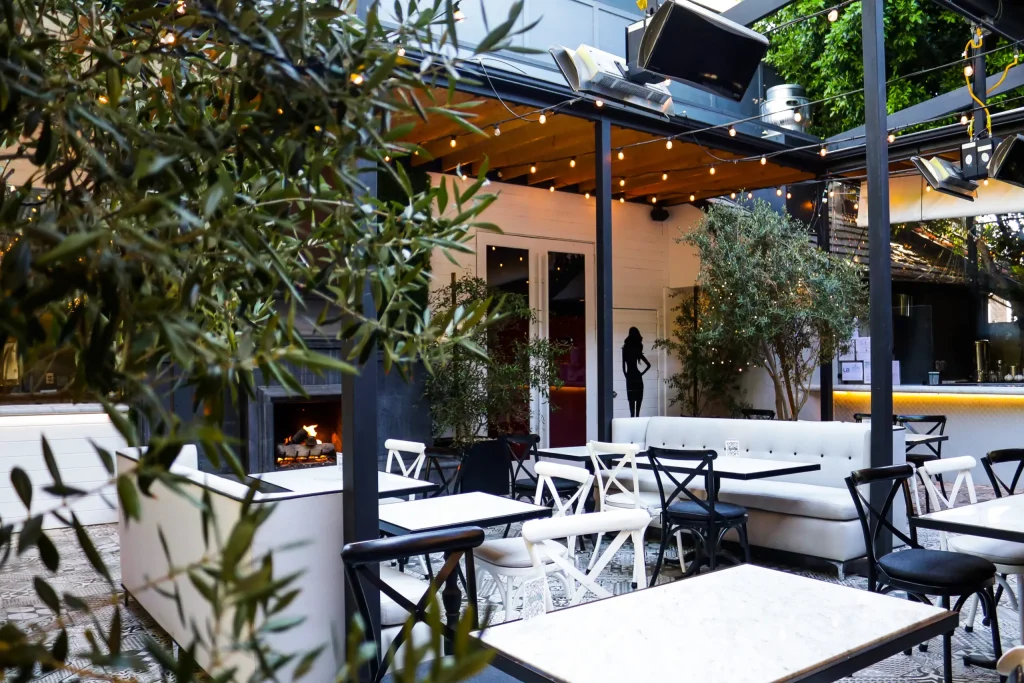
Los Angeles offers plenty of opportunities to take celebrations outdoors, from relaxed family gatherings to elegant dinners and corporate events. An outdoor event in Los Angeles can give guests more room to mingle, enjoy a meal, and take in an inviting setting. Still, a successful outdoor gathering takes more planning than simply choosing an open-air space.
Guest comfort, food service, seating, lighting, weather, parking, and entertainment all need to work together. The right preparation can help you create an event that feels effortless for your guests while keeping the planning manageable behind the scenes.
Why Outdoor Events Are Popular in Los Angeles
Outdoor events offer a different atmosphere from traditional indoor gatherings. An open setting can make a celebration feel more relaxed while giving hosts greater flexibility with dining, entertainment, and guest interaction.
Outdoor venues can work particularly well for:
- Birthday celebrations
- Anniversary gatherings
- Corporate events
- Family celebrations
- Private dinners
- Holiday parties
- Social gatherings
The setting also gives hosts an opportunity to create different areas for dining, conversation, entertainment, and relaxation. However, the success of the event depends largely on choosing a space that can accommodate these needs comfortably.
Rather than focusing only on how attractive a venue looks, consider how well it supports the practical side of your event. Guest capacity, seating arrangements, food service, accessibility, parking, lighting, and weather contingencies can all influence the overall experience.
1. Choose the Right Outdoor Event Venue
The venue sets the foundation for everything else you plan. A beautiful outdoor space may look appealing, but it needs to function well for your particular event.
Start by considering the size and layout of the space. Guests should have enough room to sit, dine, move around, and socialize without feeling crowded. If you’re planning entertainment, speeches, or other activities, account for the additional space they may require.
Privacy is another consideration. Ask whether the outdoor area is exclusively reserved for your event or shared with other guests. A private setting may be preferable for celebrations where you want more control over the atmosphere.
Before booking an outdoor event venue in Los Angeles, ask about:
- Maximum guest capacity
- Seating arrangements
- Privacy of the outdoor area
- Parking availability
- Accessibility
- Restroom access
- Food and beverage service
- Setup and cleanup
- Entertainment options
- Weather backup arrangements
It’s also worth considering how guests will move through the space. The dining area should be easy to access, food and beverage stations should be convenient, and pathways should remain clear throughout the event.
A venue that combines an appealing setting with practical event support can make the planning process much easier.
2. Choose a Date and Time With the Weather in Mind
Los Angeles is known for its outdoor-friendly climate, but that doesn’t mean every date or time of day will provide the same conditions.
Think about how the temperature and sunlight may affect your guests throughout the event. An afternoon gathering may require more shade, while an evening celebration may need additional lighting and comfortable seating as temperatures change.
Consider the timing of your event carefully:
- Morning events: Take advantage of cooler temperatures and natural light.
- Afternoon events: Plan shaded areas where guests can take a break from direct sunlight.
- Evening events: Prepare appropriate lighting and consider changing temperatures after sunset.
Don’t assume the weather will cooperate simply because your event is in Los Angeles. Ask the venue what options are available if conditions become unsuitable.
Having an alternative arrangement in place before the event gives you one less thing to worry about as the date approaches.
3. Build Your Guest List Before Finalizing the Space
Your guest count influences almost every other planning decision, including the venue, seating, menu, and overall layout.
Start with a realistic estimate of how many people you expect to attend. Then consider how they’ll use the space. An event venue may technically accommodate a certain number of guests, but you’ll need additional room if your event includes dining tables, a bar area, entertainment, or space for guests to mingle.
Think about whether your event will be:
- Fully seated: Every guest has an assigned or available dining seat.
- Partially seated: Guests have access to dining tables along with standing or lounge areas.
- Cocktail-style: Most guests move around while enjoying small bites and beverages.
Don’t plan solely around the venue’s maximum capacity. Comfortable spacing can make a significant difference to the guest experience.
If your guest list is still changing, ask the venue how far in advance you need to provide a final headcount. This can help the team prepare enough food, seating, and service staff without unnecessary last-minute adjustments.
4. Plan Comfortable Seating and Guest Areas
An outdoor event should give guests enough space to relax, dine, and move around comfortably. Seating arrangements can influence how easily people interact, how food is served, and how the overall event flows.
Start by considering the type of gathering you’re hosting. A formal dinner may require assigned tables and comfortable dining chairs, while a casual celebration may benefit from a combination of dining tables, lounge seating, and open areas for mingling.
Keep these factors in mind:
- Guest flow: Leave enough space between tables and other event areas for guests and staff to move comfortably.
- Dining access: Position tables where guests can easily reach food and beverages.
- Conversation: Arrange seating to encourage guests to interact rather than isolating smaller groups.
- Accessibility: Make sure pathways and seating are convenient for guests with mobility needs.
- Flexibility: Leave some open space if you’re planning entertainment, speeches, or other activities.
A thoughtful layout can make a space feel more welcoming while helping the event run smoothly from arrival through the final course.
5. Plan the Menu Around the Outdoor Setting
Food is often one of the most anticipated parts of an event, so the menu deserves careful consideration. Outdoor dining can require a slightly different approach to food selection, presentation, and service.
Start by choosing dishes that suit the style and duration of your event. For a relaxed gathering, shareable appetizers and family-style dishes can encourage guests to interact. A formal celebration may call for plated courses, while a larger social event may work better with a buffet or passed appetizers.
Consider:
- The number of guests being served.
- How long the event will last.
- The available serving and dining areas.
- The preferred serving style.
- Dietary preferences among your guests.
- How food will be kept at appropriate temperatures.
- The timing of each course.
Professional event catering in Los Angeles can make these details easier to manage. An experienced catering team can help with menu planning, food preparation, presentation, and service while allowing the host to focus on the guests.
The menu should also complement the atmosphere. Fresh, colorful dishes and easy-to-share options can work particularly well for relaxed outdoor celebrations where guests are encouraged to mingle.
6. Don’t Overlook Beverages
Drinks are easy to overlook during event planning, but they can have a significant effect on guest comfort and the overall flow of the gathering.
Start with the basics. Make sure guests have convenient access to water throughout the event, particularly during warmer daytime gatherings. You can then build your beverage selection around the occasion and menu.
Depending on the event, options may include:
- Water and sparkling water
- Fresh juices
- Soft drinks
- Mocktails
- Wine
- Beer
- Cocktails
If you’re serving alcoholic beverages, consider how and where drinks will be served. A dedicated bar or beverage station can prevent congestion around the dining area and make it easier for guests to get what they need.
You should also ask the venue about beverage policies before finalizing your plans. Some venues have specific requirements regarding outside beverages, bartending, service, or drink packages.
7. Think About Lighting Before Sunset
Natural daylight can make an outdoor event feel bright and inviting, but that atmosphere changes as the sun goes down. If your gathering extends into the evening, lighting needs to be part of the initial planning rather than an afterthought.
Consider lighting for both function and ambiance.
Guests should be able to see clearly around dining tables, entrances, exits, walkways, and other areas they may use during the event. At the same time, softer ambient lighting can create a more relaxed atmosphere once daylight fades.
Depending on the venue, options may include:
- Table lighting
- String lights
- Lanterns
- Decorative fixtures
- Pathway lighting
- Architectural or landscape lighting
Ask the venue what lighting is already available and whether additional fixtures can be brought in. You should also confirm who is responsible for installation and removal.
Good lighting allows guests to remain comfortable while helping the outdoor space transition naturally from daytime dining to an evening celebration.
8. Plan Entertainment That Fits the Space
Entertainment can add energy to an outdoor event, but it should complement the setting rather than interfere with conversation or dining.
Consider what suits the occasion and your guest list. Live music may work well for a relaxed dinner, while a DJ or other entertainment may be better suited to a lively celebration. Corporate gatherings may require microphones, speakers, or audiovisual equipment for presentations and speeches.
Before confirming your entertainment, consider:
- Available space for performers or equipment.
- Power requirements.
- Sound levels.
- Guest seating and sightlines.
- The timing of performances.
- Venue restrictions.
- Setup and breakdown requirements.
If you’re considering live entertainment, ask the venue whether it already works with performers or has equipment available. Coordinating these details in advance can help prevent technical or logistical problems during the event.
The best entertainment enhances the occasion while still allowing guests to enjoy their food, conversations, and surroundings.
9. Have a Weather Backup Plan
Even when you’re planning an outdoor event in Los Angeles, it’s smart to prepare for changing conditions. A backup plan gives you flexibility if unexpected weather affects your original setup.
Before booking a venue, ask what alternatives are available if the outdoor space becomes unsuitable. Depending on the venue, options may include a covered area, indoor dining space, tented areas, or the ability to adjust the event layout.
Your backup plan should account for more than rain. Strong sun, unexpected temperature changes, or wind can also affect guest comfort and food service.
Ask the venue:
- What happens if the weather changes?
- Is there an indoor or covered alternative?
- How much notice is needed to change the setup?
- Who makes the final decision about moving the event?
- Are there additional costs for backup arrangements?
- What are the cancellation or rescheduling policies?
Having these details confirmed before the event means you won’t have to make rushed decisions if conditions change.
10. Think About Parking and Transportation
A convenient location can make a significant difference to your guests’ experience. Even the most enjoyable outdoor celebration can start on the wrong note if attendees struggle to find parking or don’t know how to reach the venue.
When evaluating a venue, consider the transportation needs of your guest list. Check whether parking is available nearby and whether the venue has a convenient area for rideshare drop-offs and pickups.
It’s also helpful to provide guests with practical information ahead of time, including:
- Parking locations
- Recommended entrances
- Rideshare drop-off points
- Public transportation options, if relevant
- Accessibility information
If you’re hosting a larger event, consider how guests will arrive at approximately the same time. A clear arrival plan can prevent congestion and make check-in easier.
Accessibility deserves particular attention. Guests with mobility limitations should have convenient access to the event area, dining space, restrooms, and other essential facilities.
11. Confirm What the Venue Provides
One of the easiest ways to create unnecessary stress is to assume something is included when it isn’t. Before booking an outdoor event venue in Los Angeles, request a clear breakdown of what the venue provides and what you’ll need to arrange separately.
Depending on the venue and event package, included services may cover:
- Tables and chairs
- Tableware and linens
- Food and beverage service
- Event setup
- Cleanup
- Lighting
- Entertainment support
- Audio-visual equipment
Don’t hesitate to ask specific questions about each item. For example, if you’re planning a dinner, find out whether table setup and cleanup are included. If you’re hiring entertainment, ask about power access and equipment requirements.
You should also clarify any additional fees before signing an agreement. Understanding the full scope of the venue’s services makes it easier to compare options and plan an accurate budget.
12. Create a Realistic Event Timeline
A well-planned timeline keeps an outdoor event in Los Angeles organized without making it feel overly structured. Your schedule should give guests enough time to arrive, settle in, eat, socialize, and enjoy the activities you’ve planned.
A typical event timeline might include:
- Guest arrival: Allow time for parking, check-in, and welcome drinks.
- Welcome period: Give guests an opportunity to mingle before the main meal.
- Appetizers: Serve small bites while guests settle in.
- Main meal: Coordinate food service with the venue or catering team.
- Speeches or entertainment: Schedule these around the meal rather than interrupting every course.
- Dessert and social time: Give guests time to relax and continue conversations.
- Event conclusion: Allow enough time for guests to leave comfortably.
Avoid filling every minute with an activity. Outdoor events often work best when guests have opportunities to interact naturally.
Build some flexibility into the schedule as well. Food service may take longer than expected, guests may arrive at different times, and conversations can naturally extend. A little buffer time can keep minor delays from affecting the entire event.
13. Consider Guest Comfort Throughout the Event
A beautiful outdoor setting won’t mean much if guests aren’t comfortable. Think about the experience from their perspective from the moment they arrive until they leave.
Consider practical details such as:
- Shade or covered areas during daytime events.
- Comfortable seating.
- Access to water and beverages.
- Restroom availability.
- Clear walkways.
- Appropriate lighting after sunset.
- Temperature changes throughout the event.
- Accessibility for guests with different mobility needs.
Guest comfort should also influence your event schedule. If you’re hosting during a warmer part of the day, consider shorter periods of direct sun and provide comfortable areas where guests can sit and relax.
14. Plan the Décor Around the Outdoor Setting
Outdoor spaces often have natural visual appeal, so your décor doesn’t need to compete with the surroundings. Instead, use decorations to complement the setting and reinforce the style of your event.
Depending on the occasion, you might incorporate:
- Table centerpieces
- Fresh flowers
- Coordinated linens
- Decorative signage
- Place settings
- Subtle lighting
- Seasonal accents
Keep functionality in mind when choosing décor. Outdoor conditions can affect lightweight decorations, table settings, and floral arrangements. Avoid placing décor where it could obstruct walkways, food service, or guest seating.
It’s also important to check the venue’s decoration policies before purchasing anything. Some venues may have restrictions on candles, hanging decorations, outside vendors, or items that could damage the property.
Thoughtful décor should enhance the space while allowing the food, guests, and natural surroundings to remain part of the experience.
Your Outdoor Event Planning Checklist
Before the big day arrives, review the practical details one more time. A final checklist can help you catch small gaps that could otherwise become last-minute problems.
Venue: Confirm the outdoor space, privacy, capacity, and layout.
Guest count: Provide the venue with the final number of attendees by the agreed deadline.
Date and time: Confirm the event schedule and account for changing daylight and temperatures.
Weather plan: Know what happens if weather conditions affect the outdoor setup.
Seating: Make sure there’s enough comfortable seating and space for guests to move around.
Food: Finalize the menu, serving style, dietary accommodations, and meal timing.
Beverages: Confirm drink selections, water availability, bar service, and beverage stations.
Lighting: Check that dining areas, walkways, entrances, and exits will remain adequately lit.
Entertainment: Confirm performers, equipment, sound requirements, and setup times.
Parking: Provide guests with clear parking and transportation information.
Accessibility: Confirm convenient access to the event space, seating, restrooms, and other facilities.
Décor: Check venue policies and make sure decorations are suitable for the outdoor environment.
Setup and cleanup: Confirm which responsibilities are handled by the venue and which require outside assistance.
Timeline: Share the event schedule with the venue, catering team, entertainment providers, and other relevant vendors.
Reviewing these details in advance can make the day much easier to manage. Once the practical elements are covered, you can focus on enjoying the event with your guests.
Why Venue Selection Matters for an Outdoor Event
The right outdoor space can simplify many aspects of event planning. Instead of evaluating an attractive setting alone, consider how well the venue supports the complete experience.
A suitable outdoor event venue in Los Angeles should give you enough flexibility to accommodate your guest list, dining style, entertainment, and other event requirements. Food and beverage service, comfortable seating, lighting, accessibility, parking, and weather contingencies can all influence how smoothly the event unfolds.
It’s also worth discussing your plans with the venue team before making a booking. Ask specific questions about what’s included, what you need to arrange separately, and how the venue handles unexpected changes. Clear communication at the planning stage can prevent confusion later.
Ultimately, the best venue is one that allows you to create the atmosphere you want without making you responsible for every logistical detail.
Host Your Next Outdoor Event at Olive & Grill
If you’re planning an outdoor event in Los Angeles, Olive & Grill offers a welcoming setting for bringing guests together over Mediterranean cuisine and a memorable dining experience. The restaurant’s outdoor space can provide an inviting backdrop for celebrations and gatherings while giving guests an opportunity to enjoy good food and time together.
Olive & Grill can accommodate a range of occasions, including private celebrations, group gatherings, corporate events, and other special events. Its Mediterranean cuisine, beverage offerings, and event services can help bring the food and hospitality side of your gathering together in one place.
Planning your next outdoor celebration? Contact Olive & Grill to discuss your event, guest count, menu preferences, and available options.
Frequently Asked Questions
1. What should I consider when planning an outdoor event in Los Angeles?
Start with the venue, guest count, date, weather plan, seating, food and beverages, lighting, entertainment, parking, accessibility, and event timeline. Confirm what the venue provides before booking.
2. How far in advance should I book an outdoor event venue in Los Angeles?
The ideal booking timeline depends on the size and type of event. Popular dates and larger gatherings may require more advance planning, so booking early gives you greater flexibility.
3. What is the best time of day for an outdoor event in Los Angeles?
The best time depends on the season, event type, and venue. Consider temperature, direct sunlight, sunset, and how long guests will remain outdoors when selecting your start time.
4. What should an outdoor event venue provide?
This varies by venue, but you may want to look for seating, tables, food and beverage service, restrooms, lighting, parking, accessibility, setup and cleanup support, and a weather contingency plan.
5. How can I prepare for unexpected weather during an outdoor event?
Ask the venue about covered or indoor alternatives and confirm its policies for weather-related changes. Having a backup arrangement in advance can make unexpected conditions much easier to manage.
6. What type of food works best for an outdoor event?
The best menu depends on the event format and guest preferences. Shareable appetizers, family-style meals, buffets, and plated dining can all work well when properly coordinated with the venue and catering team.
7. Do I need professional catering for an outdoor event?
Professional catering can simplify food preparation, presentation, service, and cleanup. It’s particularly useful for larger gatherings where preparing and serving food yourself could become difficult.
8. How can I keep guests comfortable during an outdoor celebration?
Consider shade, seating, water, appropriate lighting, restroom access, clear walkways, and temperature changes throughout the event. The event schedule should also account for outdoor conditions.
9. What should I consider when planning outdoor event lighting?
Focus on both ambiance and safety. Dining tables, entrances, exits, and walkways should have adequate lighting, while decorative lighting can help create the desired atmosphere after sunset.
10. How should I plan seating for an outdoor private event?
Base the layout on your guest count and event format. Leave enough room between tables for guests and staff to move comfortably, and consider accessibility, dining, entertainment, and conversation areas.